Warhammer Skulls 2026 Is Next Week and the Indie Warhammer Games Are Quietly the Most Interesting Part
Warhammer Skulls 2026 airs May 21. The AAA reveals get the loudest reactions, but the indie tier is where the most interesting Warhammer games are quietly happening.
The tenth annual Warhammer Skulls showcase airs Thursday, May 21, 2026 at 5pm BST. Games Workshop's annual celebration of Warhammer video games has grown over a decade from a modest platform sale into a major industry showcase. Last year's broadcast pulled over 30 million views across all channels. This year is the anniversary special, hosted by Alanah Pearce, and the lineup has already started leaking.
Mechanicus 2 is confirmed to release at the showcase. Dawn of War IV will get a major update from Relic. Boltgun 2 from Auroch Digital and Big Fan Games is expected. Space Marine 2 and Darktide will have new content reveals. Rogue Trader and Dark Heresy from Owlcat will probably get expansion announcements. Total War: Warhammer III will have its next DLC revealed. Warhammer Survivors, the Vampire Survivors collaboration with Games Workshop, is expected to have meaningful news.
The big-budget AAA Warhammer projects always get the loudest reactions. Dawn of War IV will probably trend on social media for days. Space Marine 2 has a passionate audience. But the most interesting story across the Warhammer video game ecosystem right now is the indie tier, where small studios are doing genuinely creative work with the license at scales the AAA studios cannot match.
Last year's Skulls showcase saw four titles receive six-figure wishlist counts during the event itself, and four titles charted in GameDiscoverCo's tracking of trending unreleased Steam games. Dark Heresy from Owlcat was the second-highest wishlist gainer. Dawn of War Definitive Edition placed fifth. Boltgun 2 placed twelfth. The pattern suggests this year's event will probably push similar numbers, with the indie releases benefiting most from the showcase exposure.
Here is what to watch from the indie side of Warhammer Skulls 2026, why the franchise has become unusually fertile for small developers, and what the indie Warhammer games already worth your time are doing right.
What indie Warhammer games are coming at Skulls 2026?
The indie lineup at Warhammer Skulls 2026 includes Mechanicus 2 launching day-of, Boltgun 2 likely getting a release date, Warhammer Survivors news from the Vampire Survivors team, the Talisman Alliances co-op DLC, and a major Battlesector free update adding Crusade mode and Ork Boyz with Choppas.
Warhammer Survivors is the collaboration between Poncle (the Vampire Survivors team) and Auroch Digital. The Vampire Survivors universe gets a Warhammer skin, with a roster of iconic Warhammer 40K and Age of Sigmar characters and weapons that include the Boltgun, the Astartes Chainsword, and the Whirlwind Axes. Targeting 2026 release, possibly with substantial news at Skulls. The licensed crossover format usually produces mediocre games, but Poncle's involvement and the obvious mechanical fit between Warhammer's horde aesthetic and Vampire Survivors's core loop suggest this might be the exception.
Warhammer 40,000: Mechanicus 2 is launching during the showcase itself, which is a significant signal of confidence from Games Workshop. Kasedo Games returns to the Mechanicus formula with a focus on Adeptus Mechanicus tech-heresy expeditions, this time with optional Necron faction control. The original Mechanicus is widely considered one of the better Warhammer turn-based strategy games of the last decade, and the sequel has been quietly building anticipation for over a year.
Boltgun 2 from Auroch Digital and Big Fan Games is the sequel to the cult-favorite 90s-style first-person shooter set in the 40K universe. The original Boltgun was a love letter to Doom and Duke Nukem 3D with the Warhammer aesthetic painted over the top, and it found a passionate audience of players who wanted a boomer shooter without the corporate sheen of bigger budget releases. The sequel will probably get a release date at Skulls and is one of the more anticipated indie reveals of the year.
Talisman Alliances: Fate Beckons is the cooperative DLC announcement for Talisman Digital 5th Edition, expanding the board game adaptation in ways that turn it into more of a campaign experience. Niche, but the Talisman audience is loyal.
Warhammer 40,000: Battlesector is receiving a major free update introducing Crusade game mode, Dominions, and Orks Boyz with Choppas. The game has been quietly updated for years and remains one of the better tactical Warhammer experiences at indie price points.
Why are indie Warhammer games so good?
Games Workshop offers flexible licensing terms, genuine creative latitude for small studios, and a source IP that naturally spans many genres. This combination has produced one of the most varied licensed-game ecosystems in the industry, where small teams regularly ship standout titles that rival or surpass AAA Warhammer releases in design identity.
Games Workshop has spent the last decade quietly figuring out how to license the Warhammer IP to smaller developers without crushing them. The result is one of the most fertile licensed-game ecosystems in the industry. Compare it to Marvel, DC, or Star Wars, where the AAA versions dominate and indie experimentation is rare. With Warhammer, the indie tier has been responsible for some of the most distinctive games in the franchise's video game catalog.
Warhammer 40,000: Boltgun is a small game made by a small team that became a cult favorite. Warhammer 40,000: Mechanicus was a modest budget turn-based strategy game that found an audience large enough to justify a sequel. Warhammer 40,000: Rogue Trader from Owlcat is a CRPG that punched well above its weight class. The pattern across these games is small teams getting genuine creative latitude with the IP, which produces games that feel like specific design visions rather than corporate product.
| Game | Genre | Why It Stands Out |
|---|---|---|
| Boltgun | Boomer shooter (FPS) | Small team cult favorite channeling Doom and Duke Nukem 3D with 40K flair |
| Mechanicus | Turn-based strategy | Modest budget hit with enough audience to greenlight a sequel |
| Rogue Trader | CRPG | Punched well above its weight class with deep narrative and tactical combat |
This contrasts with the AAA Warhammer games, which are usually competent but rarely surprising. Space Marine 2 is good. Dawn of War 4 will probably be good. Total War: Warhammer 3 continues to be a beloved strategy game. None of these are doing things that the smaller Warhammer games are not already doing better at smaller scale.
The Games Workshop licensing approach is worth studying because it has produced results most other major IP holders cannot match. The model appears to involve relatively flexible terms for smaller studios, genuine willingness to let developers pursue specific creative visions, and a focus on long-term franchise health rather than maximum short-term revenue extraction. Whether this is intentional strategy or accidental outcome is unclear, but the results speak for themselves. The Warhammer video game catalog has more identity and more variety than almost any other major licensed game ecosystem in the industry.
The other dimension is that Warhammer's source material lends itself to many genres simultaneously. Tactical strategy. Real-time strategy. First-person shooter. CRPG. Turn-based roguelite. Bullet heaven. Each format finds something genuine to do with the universe. A franchise that only worked as one genre would be less interesting at indie scale. Warhammer working across many genres means many small studios can pursue different creative directions without competing directly with each other.
How does Warhammer Survivors fit the bullet heaven genre?
Warhammer Survivors pairs the actual Vampire Survivors dev team at Poncle with the Warhammer IP, whose horde-heavy, attrition-driven combat maps perfectly onto the auto-shooter loop. It is one of the most natural licensed crossovers the bullet heaven genre has seen, and a successful launch could further cement the genre's mainstream momentum.
Warhammer Survivors is the indie Warhammer game most relevant to our coverage at Choost Games. The Vampire Survivors formula has been adapted into licensed crossovers before, with mixed results. Warhammer Survivors is significant because the actual Vampire Survivors team is involved, which removes the usual problem of licensed survivors-likes being made by teams without the design sensibility to make the genre work.
The Warhammer aesthetic suits the auto-shooter format unusually well. The franchise has always been about hordes, attrition, and grinding through endless waves of enemies. The bullet heaven genre is structurally about exactly that. The mechanical fit is closer than most licensed crossovers.
For broader context on the bullet heaven and bullet hell genre, Warhammer Survivors is going to slot into a category that has been one of the most commercially successful in indie gaming. The audience exists. The genre is healthy. The license adds anticipated draw without compromising the design.
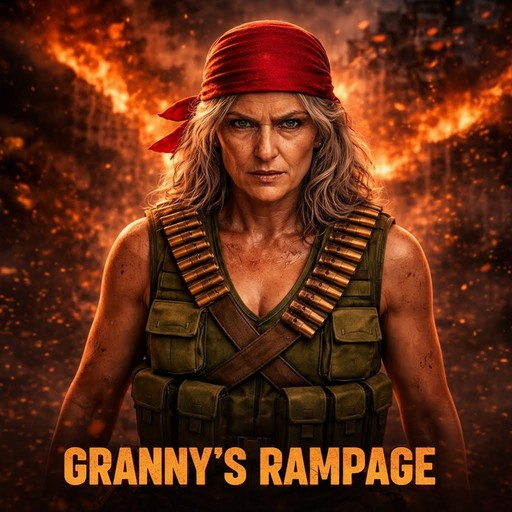
Granny's Rampage sits in the same broader category as Warhammer Survivors, even though the aesthetics could not be more different. Demonic suburbia, gun-toting grandmother, demon squirrels. The bullet heaven genre has grown wide enough to support distinctive premises across the entire visual spectrum, from grimdark 40K horde combat to absurdist American sitcom horror. The Steam release on June 22 lands in the same broader commercial window as Warhammer Survivors, which is part of why the category has felt so active recently.
The category's commercial momentum is also why the Skulls event matters beyond the immediate Warhammer audience. A successful Warhammer Survivors release would solidify the bullet heaven genre's mainstream legitimacy further, which would benefit the broader indie scene including games with no Warhammer connection at all. The genre's expansion has been driven by individual successes building on each other. Vampire Survivors made the format viable. Brotato proved it could be done in compact arena format. Halls of Torment proved it worked at gothic Diablo scale. Each successful entry expands the audience for the next entry, which is why even competing games in the same category benefit from each other's success.
What should you watch for at Warhammer Skulls 2026?
The key moments to track during the May 21 showcase are Mechanicus 2's day-one launch, Boltgun 2's expected release date reveal, Warhammer Survivors gameplay or date news, Dawn of War IV's trailer debut, and Dark Heresy expansion announcements. Each reveal carries different implications for its respective genre.
The week of May 21 has several specific moments worth tracking.
| Game | What to Watch For | Why It Matters |
|---|---|---|
| Mechanicus 2 | Day-one launch at the showcase | Launching a strategy game live at the event signals high confidence in the product |
| Boltgun 2 | Release date announcement | Determines whether the sequel ships in 2026 or slips into 2027 |
| Warhammer Survivors | Release date, gameplay deep-dive, or feature reveals | Key signal for the auto-shooter genre's continued momentum |
| Dawn of War IV | Trailer reveals, visual direction, faction lineup | Biggest viewer reactions expected, but mechanical depth unclear until later |
| Dark Heresy | Expansion announcements | The CRPG audience that loved Rogue Trader is waiting specifically for new content |
Mechanicus 2's actual release will be the biggest immediate news. Launching a strategy game directly at the showcase is unusual and suggests confidence in both the product and the marketing moment. Reviews will start landing within hours of the launch.
Boltgun 2's release date announcement will signal whether the sequel ships in 2026 or slips into 2027. The Boltgun audience has been waiting patiently, and a date will determine how the conversation around the game evolves through the rest of the year.
Warhammer Survivors news will be the most relevant signal for the auto-shooter genre's continued momentum. A confirmed release date, gameplay deep-dive, or specific feature reveals will determine how much attention the game gets relative to other 2026 bullet heaven launches.
Dawn of War IV will probably get the largest viewer reactions, but the actual mechanical depth of the game will not become clear until later this year. The trailer reveals will tell us about the visual direction and faction lineup but not much about whether the game will live up to the original Dawn of War's reputation.
Dark Heresy from Owlcat will probably get expansion announcements rather than new game reveals. The CRPG audience that loved Rogue Trader is waiting on Dark Heresy specifically, and any new content updates will determine the studio's continued momentum.
How can you watch Warhammer Skulls 2026?
Warhammer Skulls 2026 airs May 21 at 5pm BST (9am PT / 12pm ET / 6pm CEST) on the official Warhammer Twitch and YouTube channels. The broadcast runs roughly 60 to 90 minutes, and a week-long sale follows across Steam, PlayStation, Xbox, and Switch with discounts of 20% to 50%.
The showcase airs on the official Warhammer Twitch channel and YouTube simultaneously at 5pm BST / 6pm CEST / 9am PT / 12pm ET on May 21. The full broadcast will probably run 60 to 90 minutes based on past years.
A week of sales follows the showcase across most platforms, including Steam, PlayStation, Xbox, and Switch. Most major Warhammer titles will see discounts of 20% to 50% during the sale period. If you have been waiting on Rogue Trader, Boltgun, Space Marine 2, or any of the Total War: Warhammer entries, the post-showcase sale window is reliably the best time of year to buy them.
Our roguelikes and roguelites coverage will keep tracking Warhammer Survivors specifically through its release window, since the game lands squarely in our genre wheelhouse and the Vampire Survivors connection makes it relevant to the broader auto-shooter conversation we follow closely.
The Warhammer franchise has spent a decade figuring out how to make its video game ecosystem healthy. The indie tier is now producing some of the most distinctive licensed games in the industry, and Warhammer Skulls 2026 is going to surface several of those projects to a wider audience. The AAA reveals will get the loudest reactions. The indie reveals will probably produce the more lasting games. Both stories matter, but the second one is the more interesting one to actually follow.
Frequently Asked Questions
When is Warhammer Skulls 2026 and how do I watch it?
Warhammer Skulls 2026 airs Thursday, May 21, 2026 at 5pm BST (9am PT / 12pm ET / 6pm CEST). You can watch it on the official Warhammer Twitch channel or YouTube. The broadcast runs roughly 60 to 90 minutes, followed by a week-long sale across Steam, PlayStation, Xbox, and Switch with 20% to 50% discounts.
What indie games are being revealed at Warhammer Skulls 2026?
The indie lineup includes Mechanicus 2 launching day-of, Boltgun 2 likely getting a release date, Warhammer Survivors news from the Vampire Survivors team at Poncle, the Talisman Alliances: Fate Beckons co-op DLC, and a major free Battlesector update adding Crusade mode and Ork Boyz with Choppas.
Is Warhammer Survivors made by the Vampire Survivors team?
Yes. Warhammer Survivors is a collaboration between Poncle (the studio behind Vampire Survivors) and Auroch Digital. It features Warhammer 40K and Age of Sigmar characters and weapons like the Boltgun, Astartes Chainsword, and Whirlwind Axes applied to the Vampire Survivors auto-shooter formula. It is targeting a 2026 release.
When does Warhammer 40K Mechanicus 2 release?
Mechanicus 2 from Kasedo Games is confirmed to launch during the Warhammer Skulls 2026 showcase on May 21, 2026. The sequel focuses on Adeptus Mechanicus tech-heresy expeditions and adds optional Necron faction control. Launching directly at the showcase signals strong confidence from Games Workshop in the product.