Best Video Game Villains: The Antagonists You Love to Hate
The best video game villains ranked, the antagonists who define their games through menace, motivation, and the ability to make you care.
A great villain makes the hero matter. Without Ganondorf, Link is just a kid with a sword. Without Sephiroth, Cloud is an amnesiac with a big blade. Without GLaDOS, you're just doing science puzzles. The best video game villains elevate everything around them, the story, the stakes, and your motivation to keep playing. Here are the ones who got it right.
As game developers, we think about villain design constantly. What makes an antagonist compelling enough that players push through 40 hours of gameplay to confront them? The answer, every time, is that the villain needs to be right about something. Pure evil is boring. A villain with a point is terrifying.
Who are the best video game villains of all time?
The greatest video game villains of all time include GLaDOS from Portal, Sephiroth from Final Fantasy VII, Andrew Ryan from BioShock, Ganondorf from Wind Waker, and The Illusive Man from Mass Effect. Each one elevates their game's story by being partially right about something, making them unforgettable antagonists.
GLaDOS (Portal / Portal 2), a murderous AI who passive-aggressively insults you while trying to kill you with neurotoxin. Valve wrote a villain so funny that people quote her at parties. "The cake is a lie" became a cultural meme because GLaDOS made threatening you genuinely entertaining. She's right about one thing: you ARE disposable to her, and her complete indifference to your existence is funnier than any intentional joke.
Sephiroth (Final Fantasy VII), the silver-haired sword god who killed a character players genuinely loved. Sephiroth works because he's a mirror, Cloud's former hero turned nightmare. He's what happens when someone with power decides the world isn't worth saving. One-Winged Angel plays and you know something terrible is about to happen.
Andrew Ryan (BioShock), "A man chooses. A slave obeys." Ryan built an entire underwater utopia based on his philosophy and it collapsed under its own contradictions. He's right about personal freedom. He's catastrophically wrong about what happens when powerful people have no constraints. The "would you kindly" moment is gaming's best plot twist because it makes Ryan's philosophy retroactively apply to you.
Ganondorf (The Legend of Zelda: Wind Waker), most versions of Ganondorf are straightforward power-hungry villains. Wind Waker Ganondorf is different. His final speech reveals genuine grief, he wanted to save his people from a dying desert. He conquered because his home was dying. He's still the villain, but you understand why.
The Illusive Man (Mass Effect 2-3), Martin Sheen voicing a man who believes humanity must dominate the galaxy through any means necessary. He helps you in ME2 and opposes you in ME3, and both times his reasoning is internally consistent. He's wrong, but he's smart enough that you have to take his arguments seriously. The games like Mass Effect post has more.
Who are the best villains in modern video games?
The standout modern video game villains include Baldur's Gate 3's layered antagonists, Emet-Selch from Final Fantasy XIV Shadowbringers, Micah Bell from Red Dead Redemption 2, and Lady Dimitrescu from Resident Evil Village. Modern villain design leans heavily on moral complexity and visual charisma.
Baldur's Gate 3's antagonists, without spoiling specifics, BG3's villain structure works because the threat is layered. The obvious villain isn't the real villain. The real villain's motivation is understandable. And the final confrontation gives you genuine choices about how to resolve it.
Emet-Selch (Final Fantasy XIV: Shadowbringers), a villain who witnessed the death of his entire civilization and spent thousands of years trying to bring it back. By the end of Shadowbringers, many players felt more sympathy for the villain than the heroes. He's right that his people mattered. He's wrong about the cost of restoring them.
Micah Bell (Red Dead Redemption 2), the villain you hate not because he's powerful but because he's petty, selfish, and cruel in mundane ways. Micah is the coworker who undermines you while pretending to be your friend. He's terrifying because he's realistic.
Lady Dimitrescu and Heisenberg (Resident Evil Village), Capcom created villains who were so visually striking and personality-rich that they dominated internet culture before the game even launched. Design and charisma as villain-making tools.
Who are the best horror game villains?
The best horror game villains are Pyramid Head from Silent Hill 2, Mr. X and Nemesis from Resident Evil 2/3, and SHODAN from System Shock. These antagonists work because they represent something beyond a health bar: guilt, relentless pursuit, or cold machine superiority over human weakness.
Pyramid Head (Silent Hill 2), a manifestation of guilt and self-punishment. Pyramid Head works because he's not random, he exists because of what the protagonist did. The monster is the consequence. The games like Silent Hill post has more.
Mr. X / Nemesis (Resident Evil 2/3), the relentless pursuer who won't stop following you through the game. The sound of footsteps getting closer is horror at its most mechanical and effective.
SHODAN (System Shock), "Look at you, hacker. A pathetic creature of meat and bone." AI supremacy as horror, delivered with contempt.
Who are the most sympathetic video game villains?
The most sympathetic video game villains are Abby from The Last of Us Part II, The Boss from Metal Gear Solid 3, and Pagan Min from Far Cry 4. The best modern villain writing blurs the hero/villain line completely, forcing players to question their own perspective on who deserves to win.
The best modern villain writing blurs the line between hero and villain:
Abby (The Last of Us Part II), controversial because the game forces you to play as someone you may hate. Naughty Dog's boldest narrative choice. She's the villain from one perspective and the hero from another.
The Boss (Metal Gear Solid 3), the mentor you have to kill. The final fight in a field of white flowers while she explains her true loyalty is one of gaming's most emotionally devastating sequences.
Pagan Min (Far Cry 4), charismatic dictator who genuinely cares about the protagonist. If you wait at the dinner table at the start of the game instead of escaping, he comes back and the game ends peacefully in 15 minutes.
What makes a great video game villain?
Great video game villain design comes down to one question: why should the player care enough to fight this thing? The answer can be narrative, comedic, atmospheric, or purely mechanical. Villains who are right about something are always more compelling than villains who are simply powerful, because moral complexity drives player motivation.
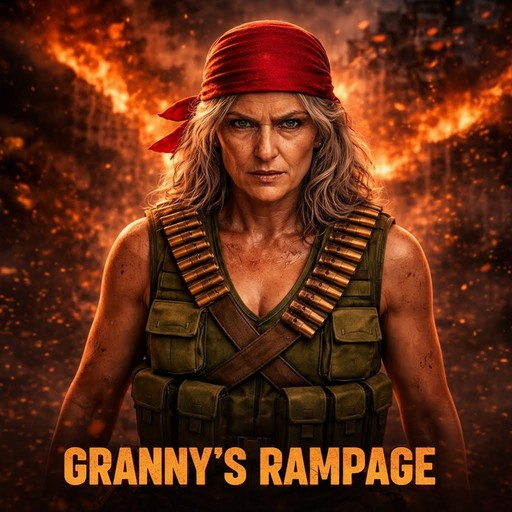
As developers building Granny's Rampage, we think about antagonist design even in a bullet heaven context. The bosses Granny fights need to feel like threats worth defeating, not just health bars to drain. The best villain design comes down to one question: why should the player care enough to fight this thing? The answer can be narrative (Sephiroth), comedic (GLaDOS), atmospheric (Pyramid Head), or purely mechanical (a boss pattern that feels like a conversation between player and designer). But the question always matters.
For more gaming culture content, the best video game soundtracks, best video game endings, and hardest bosses in gaming posts have more.
Which video game villains are the most iconic by category?
Here is a quick breakdown of the best video game villains ranked by what they do best, from raw iconicness to pure narrative craft.
| Category | Villains | Why They Rank |
|---|---|---|
| Most Iconic | GLaDOS, Sephiroth, Ganondorf | Instantly recognizable, defined their entire franchises |
| Best Written | Andrew Ryan, Emet-Selch, The Boss | Complex motivations, philosophically rich, emotionally devastating |
| Most Terrifying | Pyramid Head, SHODAN, Mr. X | Atmosphere of pure dread through design and relentless pursuit |
| Most Hateable | Micah Bell | Petty, realistic cruelty that makes players genuinely angry |
| Most Sympathetic | Wind Waker Ganondorf, Abby, Emet-Selch | Villains whose grief and reasoning you understand completely |
The golden rule of villain design: a villain who's right about something is more compelling than a villain who's powerful at everything. The best antagonists make you question whether you're on the correct side.
Frequently Asked Questions
Who are the best video game villains of all time?
The best video game villains of all time include GLaDOS (Portal), Sephiroth (Final Fantasy VII), Andrew Ryan (BioShock), Ganondorf (Wind Waker), and The Illusive Man (Mass Effect). Each one elevates their game by being partially right about something, making them more compelling than purely evil antagonists.
What makes a great video game villain?
A great video game villain needs to be right about something. Pure evil is boring. The best antagonists have motivations players can understand, whether narrative (Sephiroth), comedic (GLaDOS), atmospheric (Pyramid Head), or mechanical (a boss pattern that feels like a conversation). Moral complexity drives player motivation to keep pushing forward.
Who is the most sympathetic villain in video games?
The most sympathetic video game villains include Emet-Selch (FFXIV Shadowbringers) who lost his entire civilization, Wind Waker Ganondorf whose people were dying in the desert, Abby (The Last of Us Part II) who is the hero from her own perspective, and The Boss (Metal Gear Solid 3) whose true loyalty is heartbreaking.
Who are the scariest horror game villains?
The scariest horror game villains are Pyramid Head (Silent Hill 2) who manifests the protagonist's guilt, Mr. X and Nemesis (Resident Evil 2/3) whose relentless pursuit creates constant dread, and SHODAN (System Shock) whose cold AI supremacy and open contempt for humanity defined sci-fi horror in games.