Physical vs Digital Games: The Real Trade-Offs in 2026
Physical vs digital games, ownership, resale, convenience, and the honest trade-offs that matter for your wallet and your shelf.
As a studio that publishes digitally on itch.io and Steam, we have a clear bias, but we also understand why people love physical games. The debate isn't as simple as "digital is more convenient." There are real trade-offs worth understanding.
Who actually owns physical vs digital games?
Physical games give you permanent, resellable ownership of a disc or cartridge that works without internet or platform permission. Digital games grant a revocable license tied to a storefront like Steam or PlayStation Store. For long-term security, physical ownership is genuinely stronger, though digital licenses have held up well for most players through 2026.
Physical: You own a disc or cartridge. You can resell it, lend it, display it, or play it decades later without an internet connection or a company's permission. Your N64 cartridges still work. Your PS1 discs still work. Physical games are yours permanently in a way digital games legally aren't.
Digital: You own a license to access the game through a platform (Steam, PlayStation Store, Xbox Store, Nintendo eShop). That license can theoretically be revoked. If Steam shuts down, if a storefront delists a game, if your account gets banned, your games go with it. This isn't theoretical, delisted games disappear from digital stores regularly.
The honest answer: For most people in 2026, digital ownership has been fine. Steam has existed for 20+ years without revoking licenses. But physical ownership is genuinely more secure for long-term preservation.
Are digital games more convenient than physical games?
Digital games are dramatically more convenient. You buy instantly, skip disc swapping, access your entire library from one interface, and sync progress across devices with cloud saves. Physical games require a disc drive (increasingly rare on modern consoles), physical storage space, and the disc in hand to play.
| Feature | Digital | Physical |
|---|---|---|
| Purchase speed | Instant download | Requires store visit or shipping |
| Disc drive needed | No | Yes (unavailable on PS5 Digital Edition, Xbox Series S) |
| Disc swapping | None | Required to switch games |
| Library access | One interface, any linked device | Wherever your discs are |
| Updates | Automatic | Automatic (once online) |
| Storage space | Hard drive only | Physical shelf + hard drive |
| Initial install | Full download required (often 80GB+) | Disc contains game data |
| Game sharing | Family sharing features | Lend the disc |
Digital: Buy instantly. No driving to a store. No disc swapping. Your entire library is accessible from one interface. Automatic updates. Game sharing through family sharing features. Playable on multiple devices through cloud saves.
Physical: Requires a disc drive (increasingly rare on modern consoles, PS5 Digital Edition and Xbox Series S have no disc drive). Requires physical storage space. Requires the disc in the drive to play. But doesn't require downloading 80GB before playing, the disc contains the game data.
The reality: Digital is dramatically more convenient. This is why digital sales overtook physical sales years ago and the gap widens every year.
Are physical or digital games cheaper?
Physical games are often cheaper thanks to clearance bins, used copies, and resale value. New releases regularly hit $30-40 physical within 2-3 months. Digital games cannot be resold, but indie titles are almost exclusively digital and priced affordably at $5-25, and bundle services like Humble Bundle offer massive value.
| Pricing Factor | Physical | Digital |
|---|---|---|
| New release price drops | Often $30-40 within 2-3 months | Slower to match used physical prices |
| Used/secondary market | GameStop, local shops, Facebook Marketplace | Not available |
| Sales events | Retailer sales, clearance bins | Steam sales, PlayStation/Xbox Store sales |
| Indie game access | Rare for indie titles | Almost all indie games ($5-25) |
| Bundle deals | Limited | Humble Bundle and similar services |
| Resale value | Sell a $70 game for ~$40 after finishing | $70 spent permanently |
Physical: Games go on sale at retailers, clearance bins exist, used games are available for a fraction of release price. GameStop, local game shops, Facebook Marketplace, the secondary market reduces costs significantly. New releases often hit $30-40 physical within 2-3 months.
Digital: Steam sales, PlayStation Store sales, Xbox sales, digital sales happen regularly but rarely match used physical prices for recent releases. However, indie games are almost exclusively digital and priced affordably ($5-25). Humble Bundle and similar services offer massive value.
Resale: Physical games can be resold. Digital games cannot. That $70 game you finished in a week can be sold for $40 physical. Digitally, it's $70 spent permanently. Over years of gaming, resale value adds up significantly.
Are physical games better for collectors?
Physical games win outright for collectors. Cartridges, steelbooks, and limited editions carry real shelf presence and display value that a digital library list simply cannot match. If you don't care about displaying a collection, digital keeps things lighter and cleaner.
Some people collect games. Physical collections have shelf presence, cartridges, steelbooks, limited editions, display value. Digital collections are a list in an app.
For collectors, physical wins absolutely. For players who don't care about shelves, digital is lighter and cleaner.
Do physical games last longer than digital games?
Physical games preserve themselves indefinitely without servers, companies, or internet connections. A cartridge from 1985 and a disc from 2005 still work today. Digital games depend on storefront infrastructure, and when a platform closes (like the Wii Shop Channel in 2019), every game on it becomes inaccessible to new buyers.
Physical games preserve themselves. A cartridge from 1985 still works. A disc from 2005 still works (assuming no disc rot). Physical media doesn't require servers, companies, or internet connections.
Digital games require infrastructure. When a digital storefront closes (like the Wii Shop Channel in 2019), every game on it becomes inaccessible to new buyers. Game preservation advocates consistently argue that physical media is essential for maintaining gaming history.
Our perspective as developers
As an indie studio, we publish digitally because physical manufacturing, distribution, and retail shelf space are cost-prohibitive for small teams. Digital publishing lets any studio reach a global audience, which is genuinely revolutionary. But if Steam disappeared tomorrow, our players would lose access to our games, and that reality shapes how we think about preservation.
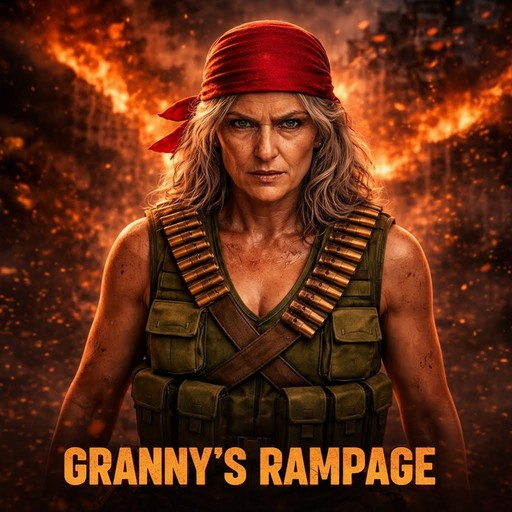
We publish Granny's Rampage and Granny's Gambit digitally because indie studios can't afford physical manufacturing, distribution, and retail shelf space. Digital publishing democratized game development, any studio of any size can reach a global audience. That's genuinely revolutionary.
But we understand the value of physical ownership. If Steam disappeared tomorrow, our players would lose access to our games. That reality informs how we think about distribution and preservation.
For more gaming industry content, the steam vs epic games store, best games under 20 dollars, and best early access games posts have more.
Should you buy physical or digital games?
The right format depends on what you value most. Physical is the better pick for true ownership, resale value, and long-term preservation. Digital is the better pick for instant access, convenience, and the massive indie library that only exists digitally. The trend is clear: digital dominates, but physical is settling into a premium niche.
| Priority | Buy Physical | Buy Digital |
|---|---|---|
| Ownership | True, permanent ownership | Revocable license |
| Resale | Can resell finished games | No resale option |
| Collection/display | Shelf presence, steelbooks, limited editions | Library list in an app |
| Long-term preservation | Works without servers or internet | Depends on storefront staying online |
| Convenience | Disc drive + physical storage needed | Instant buy, no disc swapping |
| Indie game access | Rarely available physically | Nearly all indie games are digital-only |
| Market trend | Shrinking, becoming premium format | Dominates and growing |
Buy physical if: You want true ownership, resale value, collection display, and long-term preservation. Buy digital if: You want convenience, instant access, no disc swapping, and access to indie games that only exist digitally. The trend: Digital dominates and physical is shrinking. But physical isn't dead, it's becoming a premium format for people who value ownership over convenience.
Frequently Asked Questions
Is it better to buy physical or digital games in 2026?
It depends on your priorities. Physical games offer true ownership, resale value, and long-term preservation. Digital games offer instant access, convenience, and access to the huge indie library that only exists digitally. Digital sales dominate the market, but physical is settling into a premium niche for players who value ownership.
Do you actually own digital games?
Not in the same way you own physical games. Digital purchases grant a license to access the game through a platform like Steam or PlayStation Store. That license can theoretically be revoked if the storefront shuts down, delists the game, or bans your account. Physical copies are yours permanently with no platform dependency.
Are physical games cheaper than digital?
Often, yes. Physical new releases frequently drop to $30-40 within 2-3 months, and used copies on the secondary market cost even less. You can also resell physical games when you finish them. Digital games cannot be resold, though indie titles are priced affordably at $5-25 and bundle services offer big savings.
Why do physical games matter for game preservation?
Physical media preserves itself without servers, companies, or internet connections. Cartridges from 1985 and discs from 2005 still work today. When digital storefronts close, like the Wii Shop Channel in 2019, every game on them becomes inaccessible to new buyers, making physical copies essential for gaming history.